
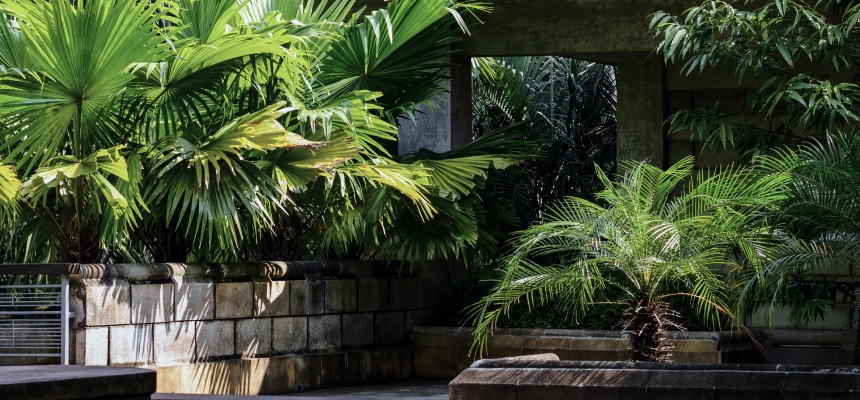
A well designed garden should have purpose. Zoning helps separate dining, seating, play, planting, storage, and quiet areas without making the space feel broken up. Instead of treating the garden as one open area, zoning allows each part of the space to support a clear use while still feeling connected to the overall design.
In this blog, we'll explore how garden zones can help create a more practical, comfortable, and enjoyable outdoor space for relaxing, hosting, family life, and everyday use.
Garden zoning is not about dividing a space into separate pieces; it is about giving every area a clear purpose while keeping the whole design connected and easy to use. Leaf & Stone
It can be tempting to keep a garden open and simple, but without clear zones, the space can feel underused or difficult to organise. Seating may not feel comfortable, dining areas may not connect properly, and play or storage areas can interrupt the overall feel. A zoning approach brings structure, flow, and purpose to the garden from the beginning.
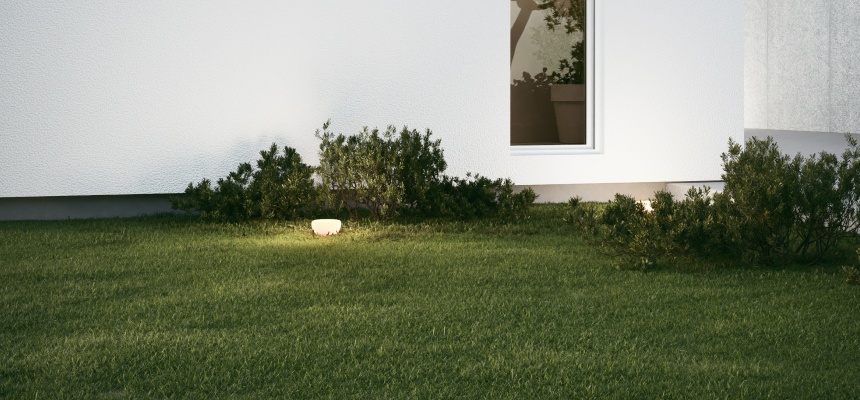

A professional garden zoning plan should begin with how the household actually uses the space. Some gardens need a dining area close to the house, a quiet seating spot in the evening sun, a safe place for children, or discreet storage that does not dominate the view. Each zone should be shaped around real routines and priorities.
By understanding these uses first, the layout can be planned with purpose. Pathways, planting, screening, levels, and materials can all help define areas without making the garden feel crowded, awkward, or overcomplicated.
One of the main advantages of garden zoning is that it improves how the space flows. Zones should feel distinct enough to serve different purposes, but connected enough that the garden still feels like one complete design. This can be achieved through repeated materials, consistent planting, natural pathways, level changes, lighting, and carefully framed views between areas.
Good zoning also helps prevent practical issues. Dining areas need enough space for movement, seating areas need privacy and comfort, play areas need visibility and safety, and planting needs the right light and soil conditions. When these details are considered early, the garden becomes easier to use, easier to maintain, and more enjoyable throughout the year.
A garden with well planned zones can adapt as your needs change. A play area may later become a seating space, planting can mature to create stronger privacy, and quiet corners can develop into more established retreats. This flexibility gives the garden more long term value because it can continue to support family life, entertaining, and relaxation over time. Landscape designers understand how to balance separate uses without breaking up the space. With the right layout, materials, planting, and flow, garden zoning can create a space that feels organised, comfortable, and genuinely built around the way you live.
Tell us about your garden project and we will get back to you as soon as possible.