
Porcelain paving offers a clean finish, strong durability, and simple maintenance when installed correctly. The real value comes from proper preparation, drainage, and detailing. For modern gardens, porcelain can create a sharp, refined, and practical surface that suits patios, paths, seating areas, and outdoor dining spaces.
In this blog, we'll explore why porcelain paving has become such a strong choice for contemporary gardens, from its appearance and durability to the installation details that help it perform properly over time.
Porcelain paving is not just about a clean modern finish; its long term value depends on good preparation, correct drainage, careful laying, and precise detailing. Leaf & Stone
It can be easy to choose porcelain because of how it looks, but the finished result depends heavily on how it is installed. A strong sub-base, correct falls, suitable priming slurry, neat cuts, and well planned drainage all matter. When these details are ignored, even high quality paving can move, stain, hold water, or fail to deliver the premium finish expected.
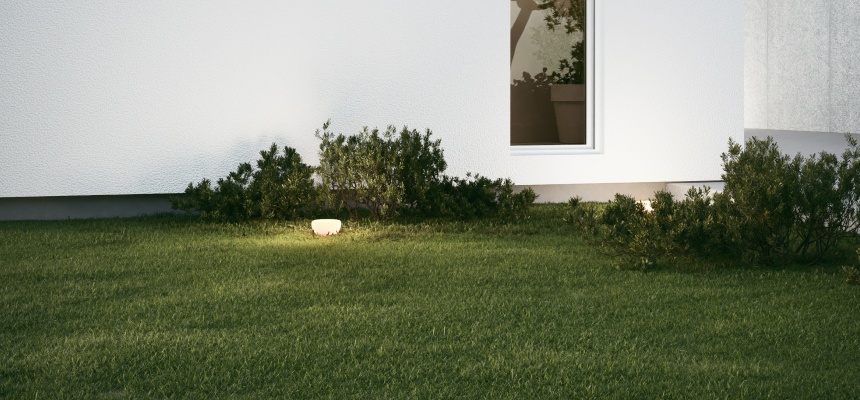
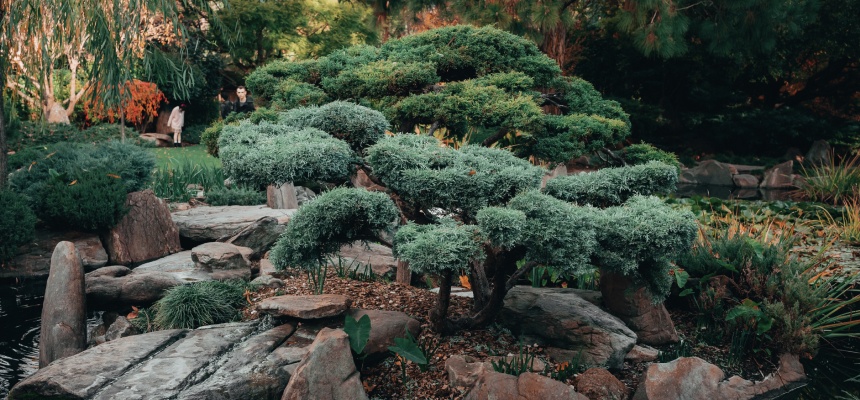
A professional porcelain patio can give a garden a clean, sharp, and contemporary feel. The consistent surface, precise edges, and wide choice of colours make it suitable for modern outdoor spaces that need to feel calm, structured, and refined. Whether used for a dining area, path, or larger entertaining space, porcelain can help create a strong visual foundation.
Its appearance works especially well when paired with thoughtful planting, lighting, edging, and furniture. The paving should not feel separate from the garden, but part of a wider design that connects the house, outdoor areas, and planting scheme together.
One of the main advantages of porcelain paving is its durability when installed correctly. It is dense, hardwearing, and resistant to many common issues that affect outdoor surfaces. However, the strength of the finished patio depends on what happens underneath. The sub-base, bedding layer, slurry primer, falls, joints, and drainage all need to be planned carefully before the paving is laid.
Proper drainage is especially important with porcelain because water needs to move away from the surface and surrounding structures. If levels are wrong or falls are not planned properly, water can sit on the paving or run towards areas where it causes problems. Good preparation helps protect the surface, reduce future maintenance, and keep the patio safer and more usable through wet weather.
Porcelain paving is often chosen because it is easier to maintain than many traditional materials. Its low water absorption and dense surface can make cleaning simpler, helping the patio stay looking fresh with regular care. However, maintenance is still affected by installation quality, surrounding planting, drainage, shade, and everyday use. Landscape designers understand how to balance porcelain with the wider garden design, ensuring it works with levels, planting, lighting, access, and aftercare. When installed properly, porcelain paving can provide a strong, elegant, and long lasting surface that adds real value to a modern garden.
Tell us about your garden project and we will get back to you as soon as possible.