

From budget and drainage to access, levels, planting, and aftercare, proper planning helps prevent mistakes and creates a garden that lasts. A garden transformation is a major investment, so the decisions made before work begins are often just as important as the build itself. Careful preparation helps shape a space that looks good, functions properly, and supports the way you want to use it.
In this blog, we'll explore the key things to consider before starting your garden transformation, from early ideas and practical constraints to long term maintenance and final details.
A successful garden transformation starts long before the first digger arrives; it begins with clear planning, realistic decisions, and a full understanding of how the space needs to perform. Leaf & Stone
It can be tempting to focus straight away on paving, seating areas, planting, or statement features, but every garden has practical conditions that need to be understood first. Drainage, levels, access, soil, sunlight, budget, and aftercare all influence what is possible. Planning these elements properly helps prevent costly surprises and creates a garden that works beyond completion day.
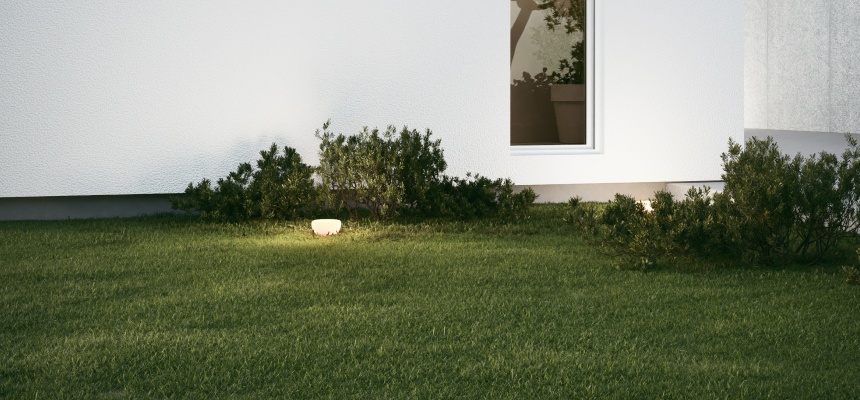

A professional garden transformation should begin with a clear understanding of budget and priorities. Not every part of the garden has to be completed in the same way, but the most important areas should be planned properly from the start. Whether your focus is entertaining, family use, low maintenance planting, or a complete design led transformation, your budget should be aligned with the outcome you want.
Good planning helps decide where to invest, where to simplify, and which elements will have the biggest impact. This makes the project feel more controlled and prevents money being spent on features that do not support the overall design.
One of the main reasons garden projects run into problems is because the practical groundwork has not been considered early enough. Drainage affects patios, lawns, planting beds, and long term usability. Access affects machinery, materials, waste removal, and how efficiently the work can be completed. Levels influence steps, retaining walls, seating areas, and how the garden connects back to the house.
These practical details may not be the most exciting part of a garden transformation, but they are often what determine whether the finished space lasts. A beautiful patio will quickly become frustrating if water does not drain properly. A planting scheme will struggle if the soil and light conditions are ignored. By dealing with these issues before design decisions are finalised, the garden becomes stronger, safer, and easier to enjoy.
A garden transformation should not only be planned for the day it is finished, but for how it will grow, settle, and be maintained over time. Planting needs to suit the soil, light, exposure, and level of care you are willing to provide. Materials should be chosen with durability, cleaning, weathering, and everyday use in mind. Landscape designers understand how to balance appearance with long term performance, helping you choose a garden that suits both your taste and your lifestyle. With the right planning, aftercare, and structure in place, your transformed garden can remain practical, attractive, and enjoyable for many years to come.
Tell us about your garden project and we will get back to you as soon as possible.