

Good maintenance keeps a garden clean, controlled, healthy, and enjoyable. Lawns, borders, shrubs, surfaces, edges, and seasonal tasks all need the right level of attention. A well maintained garden does not happen by accident; it comes from consistent care that protects the structure, planting, and overall finish of the space.
In this blog, we'll explore what regular garden maintenance should include, from lawn care and border management to pruning, surface cleaning, edging, seasonal checks, and long term garden health.
Regular garden maintenance is not just about keeping things tidy; it protects the health, structure, finish, and long term value of the whole outdoor space. Leaf & Stone
It can be easy to wait until a garden looks overgrown before taking action, but maintenance works best when it is consistent. Small regular tasks prevent larger problems from building up. Lawns stay healthier, borders remain controlled, shrubs keep their shape, and paths, patios, and edges continue to look clean and cared for throughout the year.
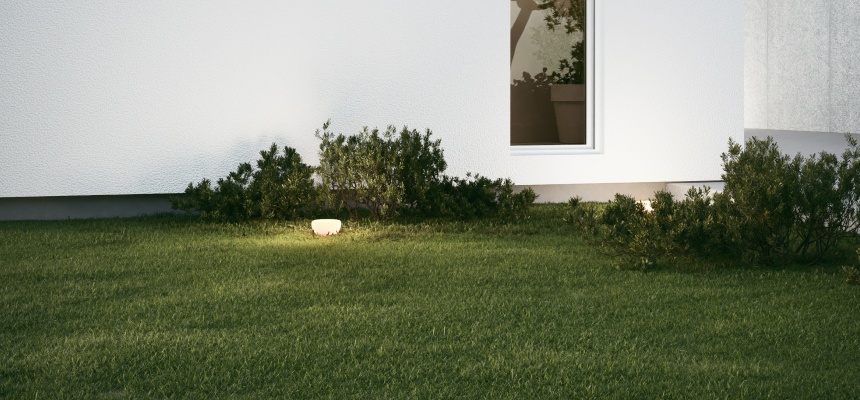

A professional maintenance routine should begin with the living parts of the garden. Lawns need mowing, edging, feeding, aeration, scarifying, and seasonal care depending on their condition. Borders need weeding, deadheading, cutting back, mulching, and checking for plant stress, pests, or overcrowding.
Shrubs, hedges, and climbers also need pruning at the right times of year. This keeps growth controlled, improves shape, supports flowering, and prevents planting from becoming too heavy, messy, or difficult to manage later.
One of the main parts of regular garden maintenance is keeping hard landscaping clean and usable. Patios, paths, decking, gravel areas, steps, and seating spaces can collect leaves, soil, algae, weeds, and debris. If left too long, these areas can start to look tired and may become slippery, stained, or harder to restore.
Edges also make a big difference to how maintained a garden feels. Clean lawn edges, defined borders, tidy gravel lines, and clear paths create a sharper finish even when the planting is natural and relaxed. Small details such as sweeping, leaf clearing, weed control, and checking drainage channels help the whole space remain practical and pleasant to use.
Good garden maintenance changes through the year. Spring may focus on preparation and new growth, summer on mowing, watering, and control, autumn on clearing and cutting back, and winter on structural pruning, checks, and planning. Each season has tasks that help the garden stay healthy and ready for the next stage. Landscape professionals understand how to maintain a garden without overworking it or neglecting important seasonal jobs. With the right routine, your garden can stay clean, controlled, healthy, and enjoyable while protecting the long term value of the original design and build.
Tell us about your garden project and we will get back to you as soon as possible.