
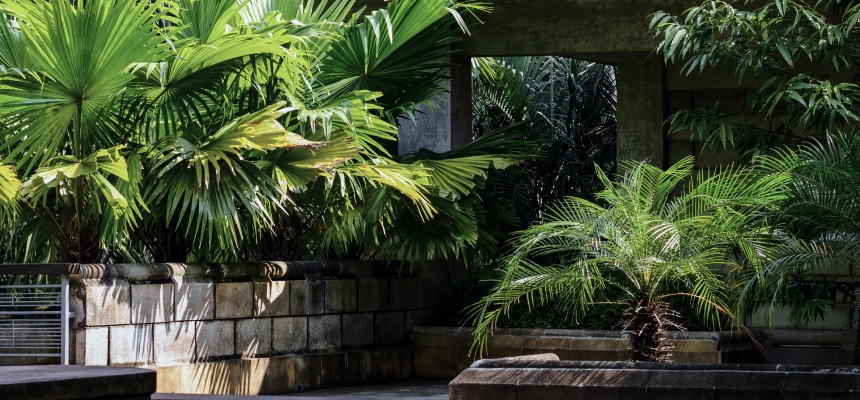
Boundaries do more than mark the edge of a space. They affect privacy, light, planting, seating, security, and the overall feel of the garden throughout the day. Fencing and screening should be planned as part of the design, because they influence how comfortable, enclosed, open, or overlooked the garden feels.
In this blog, we'll explore how fencing, screening, and boundaries shape a garden, from creating privacy and structure to supporting planting, seating areas, safety, and long term visual balance.
Garden boundaries are not just practical edges; they shape privacy, atmosphere, security, light, and the way every area of the garden feels and functions. Leaf & Stone
It can be easy to treat fencing as a background detail, but boundaries often have one of the biggest visual impacts in a garden. Poorly chosen fencing can make a space feel harsh, exposed, or boxed in. Well planned boundaries can soften the garden, frame views, protect seating areas, and create a stronger sense of privacy and structure.
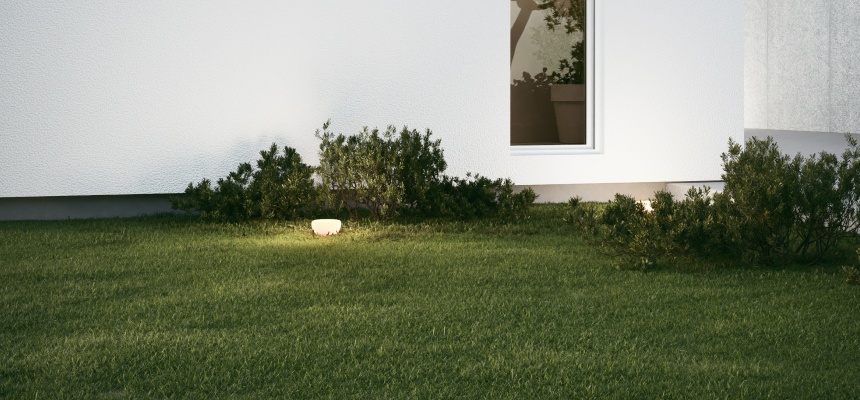

A professional garden design should consider how boundaries affect privacy and everyday comfort. Fencing, trellis, screening, hedging, and layered planting can all help reduce overlooking, define seating areas, and make the garden feel more secure. The right boundary treatment depends on the property, neighbouring views, sun direction, and how the space will be used.
Instead of simply installing the tallest fence possible, a design led approach looks at where privacy is actually needed. This can create a more comfortable garden without making the space feel closed in or overly defensive.
One of the main things boundaries influence is light. Tall fencing or dense screening can create shade, affect planting choices, and change how different parts of the garden feel throughout the day. This is why boundaries should be planned alongside planting, seating, paving, and levels, rather than treated as a separate decision at the end.
Boundaries also affect the overall character of the garden. Timber fencing, slatted screening, brick walls, rendered walls, metal edging, hedging, and climbing plants all create different moods. When these materials are chosen carefully, they help connect the garden to the property, support the planting scheme, and make the whole space feel more finished and cohesive.
Good boundaries provide lasting structure. They help define the shape of the garden, protect usable areas, support privacy as planting matures, and improve the sense of enclosure over time. They can also make the garden feel more valuable by improving security, visual quality, and day to day comfort. Landscape designers understand how to balance fencing, screening, planting, light, access, and maintenance so boundaries work as part of the wider design. With the right approach, the edges of the garden become more than a limit; they become an important part of how the whole space is experienced.
Tell us about your garden project and we will get back to you as soon as possible.