

Good lighting improves evening use, highlights key features, supports safety, and adds atmosphere. Planning it early helps avoid visible cables, awkward placement, and missed opportunities. Outdoor lighting should not be treated as an extra added at the end, because it affects how the garden looks, feels, and functions after dark.
In this blog, we'll explore why outdoor lighting should be considered from the start of the design process, from practical access and safety to atmosphere, feature lighting, and long term usability.
Outdoor lighting is most effective when it is planned as part of the design, not added afterwards; it helps the garden feel usable, safe, and atmospheric after dark. Leaf & Stone
It can be easy to focus on the garden in daylight, but many homeowners want to enjoy the space in the evening too. Without a lighting plan, seating areas can feel unfinished, pathways may be difficult to use, and key features may disappear after dark. Early planning helps lighting feel intentional rather than awkward or added on later.
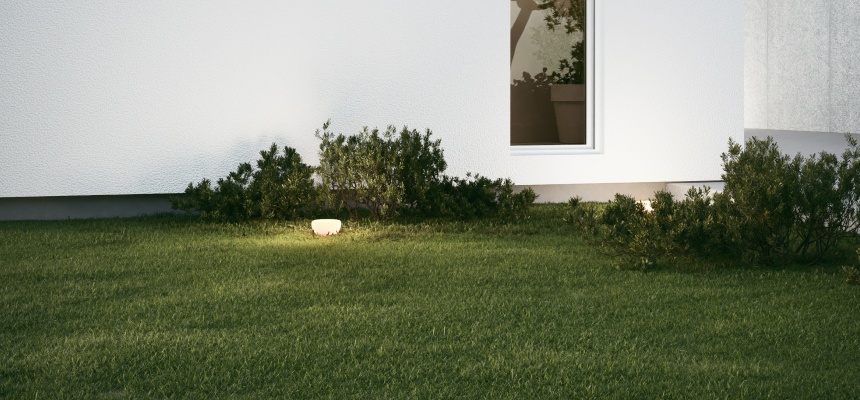

A professional garden lighting plan should begin by considering how the space will be used after dark. Steps, pathways, seating areas, dining spaces, entrances, and level changes all need careful thought. Lighting can make these areas safer and easier to use while also helping the garden feel more inviting in the evening.
When lighting is planned early, cables, fittings, and power routes can be integrated properly. This avoids visible wires, poor fixture placement, and unnecessary disruption once patios, planting, walls, or edging have already been installed.
One of the main advantages of outdoor lighting is the way it changes the mood of a garden. Carefully placed lights can highlight trees, planting, walls, water features, steps, seating areas, and architectural details. This adds depth and atmosphere, allowing the garden to feel warm and considered rather than flat or dark once the sun goes down.
Lighting should be subtle and purposeful rather than excessive. The aim is not to flood the whole garden with brightness, but to guide movement, create focal points, and bring out the best parts of the design. When lighting is integrated with planting, paving, levels, and furniture, the whole space feels more complete and usable.
A garden with well planned lighting can offer more value because it extends how and when the space is used. Evening dining, quiet seating, entertaining, and safer movement all become easier. It also helps the garden feel more premium, especially when lighting is coordinated with materials, planting, and the overall design style. Landscape designers understand how to balance lighting with layout, drainage, access, planting, and practical installation. By planning it from the start, outdoor lighting becomes part of the garden’s structure, helping the space feel polished, functional, and enjoyable throughout the year.
Tell us about your garden project and we will get back to you as soon as possible.