
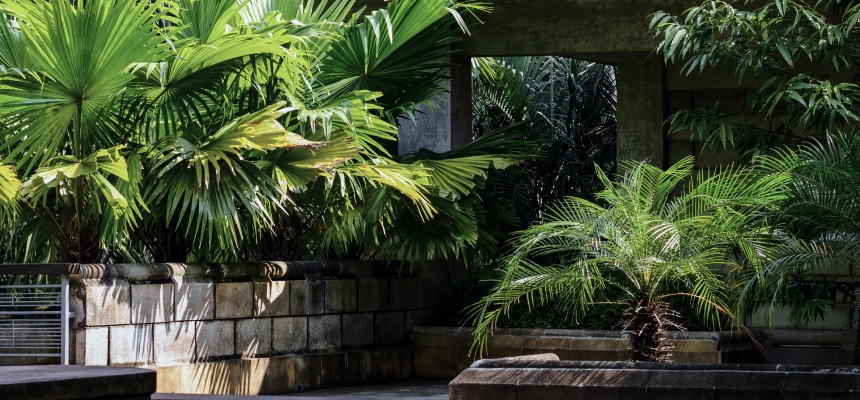
The right materials should feel connected to your property, your lifestyle, and the level of maintenance you want. Paving, timber, stone, gravel, and edging all shape the final character of the garden. Choosing materials is not just about picking what looks good in isolation; it is about creating a space that feels natural beside your home and practical for everyday use.
In this blog, we'll explore how to choose garden materials that suit your home, from matching the property style to considering durability, maintenance, drainage, and long term finish.
Well chosen garden materials should connect the house and garden, support the way the space is used, and create a finish that feels considered rather than forced. Leaf & Stone
It can be tempting to choose materials based only on trends, colours, or inspiration photos, but every property has its own character. The age of the house, brickwork, render, windows, boundaries, levels, and surrounding landscape all influence what will work. A material palette should enhance these features, not compete with them or make the garden feel disconnected.
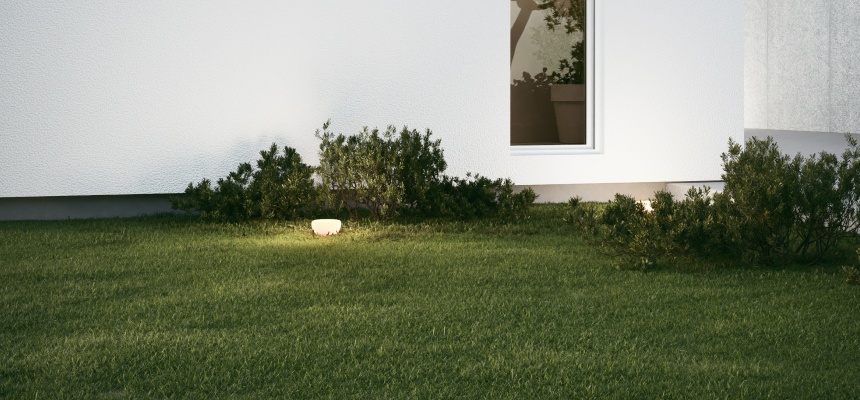
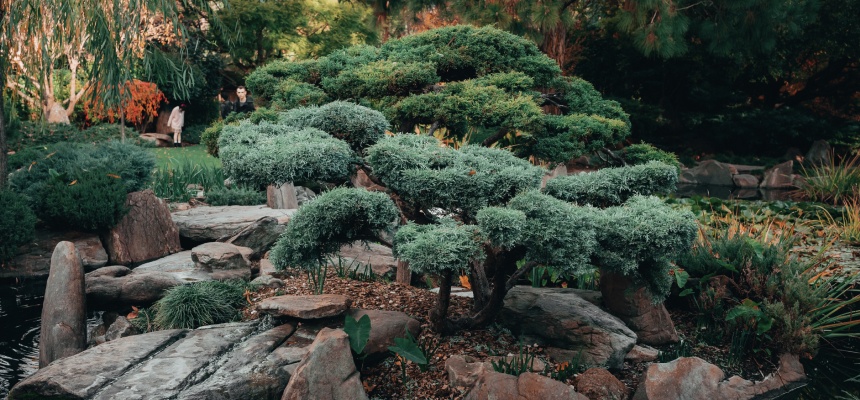
A professional garden design should consider how materials relate to the home itself. Modern porcelain may suit a clean contemporary extension, while natural stone, timber, or gravel may feel more appropriate beside older or softer architectural styles. The goal is not always to match everything exactly, but to create a relationship between the house and garden that feels deliberate.
Colour, texture, scale, and finish all matter. Paving should sit comfortably against walls and thresholds, edging should define spaces without feeling harsh, and timber or stone features should support the wider tone of the property.
One of the main factors when choosing garden materials is how the space will be used day to day. A busy family garden, an outdoor dining space, a quiet seating area, and a low maintenance garden all need different material choices. Some surfaces are easier to clean, some weather naturally, and some need more ongoing care to keep them looking their best.
Practical considerations should be planned alongside appearance. Drainage, slip resistance, access, shade, staining, cleaning, joints, and edging all affect how materials perform over time. A beautiful finish is only valuable if it continues to work in real conditions. This is why preparation and detailing are just as important as the material itself.
A strong garden design usually uses a controlled material palette rather than too many competing finishes. Paving, timber, stone, gravel, edging, planting, and lighting should all work together to create one clear character. When materials are chosen carefully, the garden feels calmer, more premium, and more connected to the home. Landscape designers understand how to balance visual style with durability, maintenance, budget, and practical performance. With the right choices, your garden materials can create a long lasting finish that suits your property, supports your lifestyle, and adds genuine value to the space.
Tell us about your garden project and we will get back to you as soon as possible.